
Women's Sober Living Homes in Hawaii: A Guide to Finding Support
Finding a safe and supportive environment is crucial for women navigating the journey of addiction recovery. Sober living homes, also known as transitional housing, offer a structured and substance-free setting that bridges the gap between inpatient treatment and independent living. This is especially important in a place like Honolulu, where the temptations and triggers of daily life can be particularly challenging.
What are Women's Sober Living Homes?
Sober living homes are residences specifically designed to provide a supportive community for individuals recovering from substance use disorders. Unlike inpatient treatment centers, sober living homes offer a more independent living experience while maintaining a strong emphasis on sobriety and accountability. Women's sober living homes, in particular, cater to the unique needs and challenges faced by women in recovery. These homes foster a sense of sisterhood and understanding, addressing issues like trauma, co-dependency, and societal pressures that can contribute to addiction.
Benefits of Choosing a Women's Sober Living Home in Hawaii
- Gender-Specific Support: Women often experience addiction differently than men. Women's sober living homes provide a safe space to address these gender-specific issues, fostering open communication and mutual support.
- Reduced Risk of Relapse: The structured environment, peer support, and regular drug testing significantly reduce the risk of relapse. This is especially vital in a location like Maui, where the allure of relaxation and vacation can be a trigger for some.
- Development of Life Skills: Sober living homes help residents develop essential life skills, such as budgeting, job searching, and conflict resolution, which are crucial for long-term sobriety and independent living.
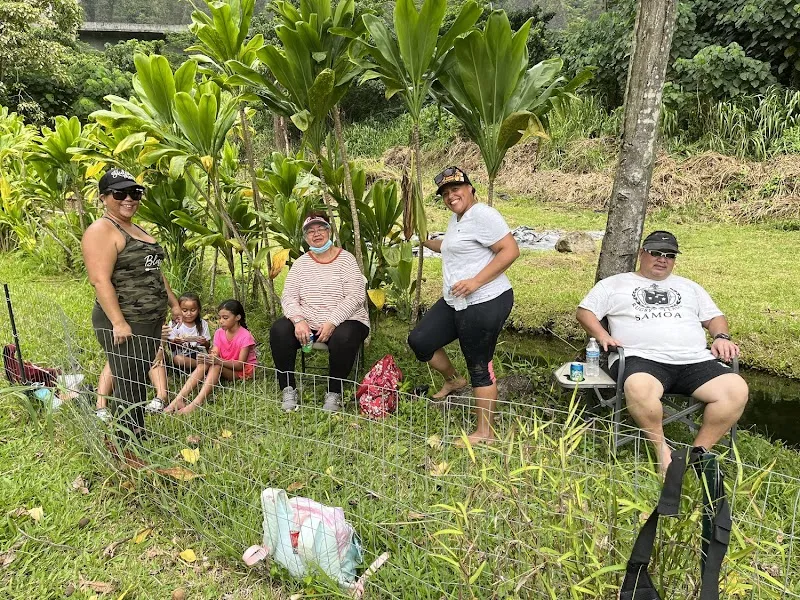
- Building a Supportive Community: Connecting with other women who understand the challenges of recovery creates a strong support network that extends beyond the sober living environment. This network is invaluable in navigating the ups and downs of early sobriety in Hilo and beyond.
- Accountability and Structure: Regular house meetings, curfews, and mandatory participation in 12-step programs or other recovery activities provide structure and accountability, helping residents stay on track with their recovery goals.
What to Look for in a Women's Sober Living Home in Hawaii
Choosing the right sober living home is a critical decision. Here are some key factors to consider:
- Location: Consider the proximity to support services, such as therapists, doctors, and 12-step meetings. A location in Kailua-Kona might be ideal for some, while others might prefer the bustle of Honolulu.
- Cost: Sober living homes vary in price. Understand the fees involved, including rent, utilities, drug testing, and any additional program fees. Inquire about payment options and potential financial assistance.
- Rules and Regulations: Review the house rules and regulations carefully. Ensure they align with your personal values and recovery goals. Pay attention to policies regarding curfews, visitors, drug testing, and consequences for rule violations.
- Staff and Supervision: Inquire about the staff-to-resident ratio and the qualifications of the staff. Are they experienced in addiction recovery? Do they provide individual support and guidance?
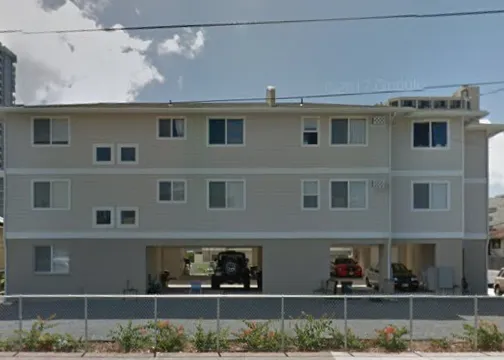
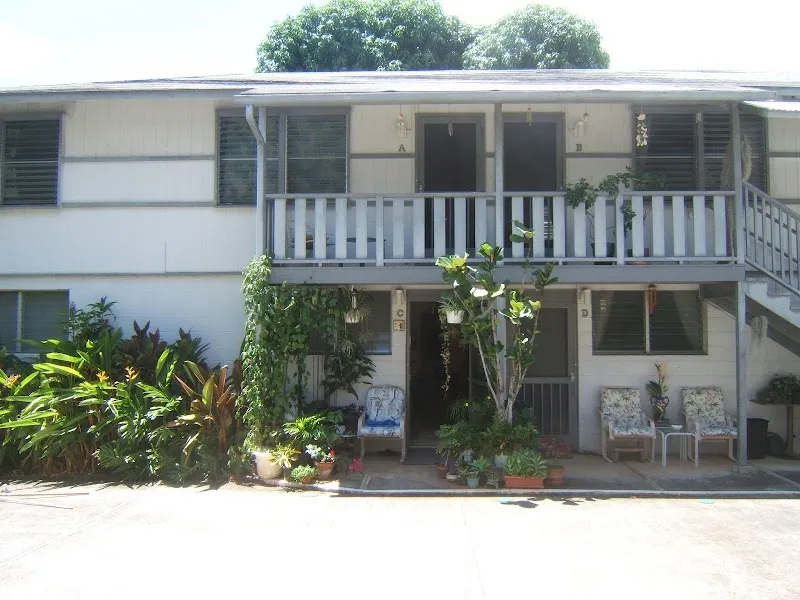
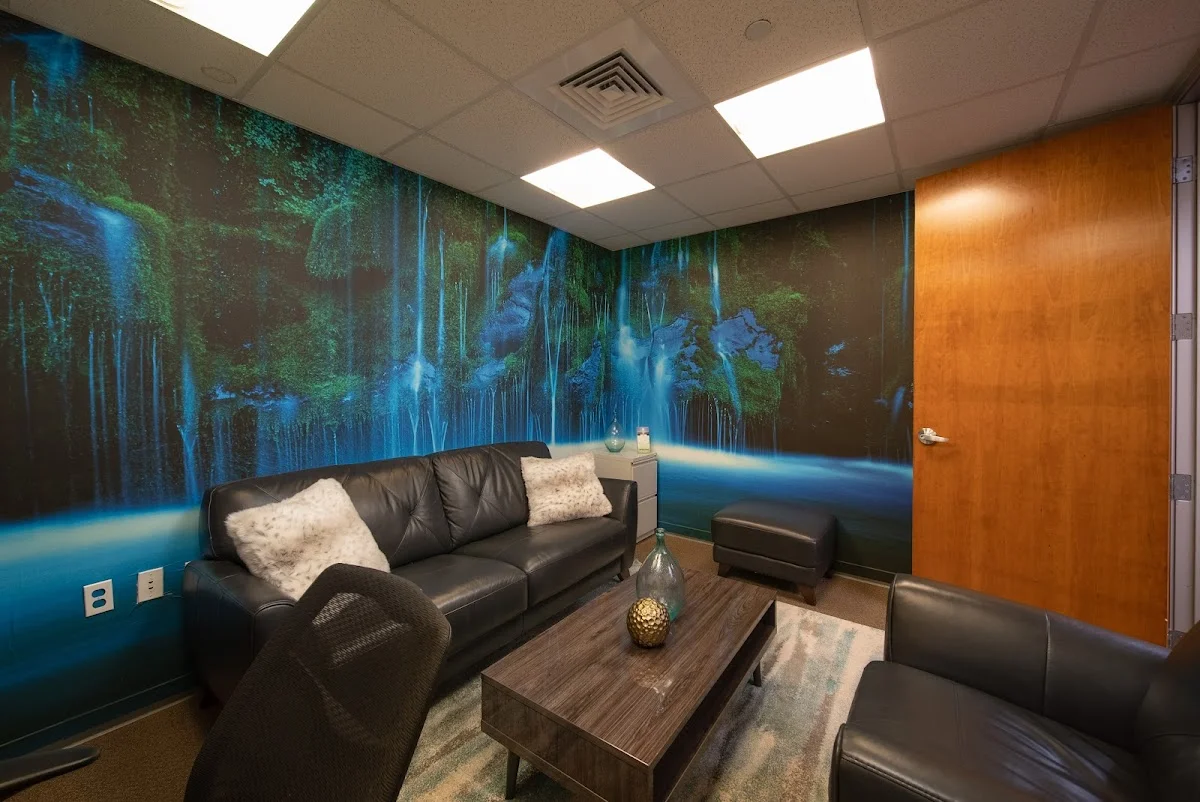
- Amenities and Living Conditions: Consider the living conditions and amenities offered by the home. Is it clean, comfortable, and well-maintained? Are there shared spaces for relaxation and recreation?
- Program Requirements: Understand the program requirements, such as mandatory attendance at 12-step meetings, individual therapy sessions, or group counseling. Ensure the program aligns with your recovery plan.
- Licensing and Accreditation: While not all sober living homes are licensed, it's a good sign if the home is accredited by a reputable organization. This indicates that the home meets certain standards of quality and care.
- Resident Testimonials: If possible, speak to current or former residents to get their perspectives on the home and its program. This can provide valuable insights into the lived experience of residents.
Finding Women's Sober Living Homes in Hawaii
Here are some resources to help you find women's sober living homes in Hawaii:
- Online Directories: Websites like SoberLiving.com and the National Alliance for Recovery Residences (NARR) maintain directories of sober living homes. Search specifically for women's homes in Hawaii.
- Treatment Centers: If you're transitioning from inpatient treatment, your treatment center can provide referrals to reputable sober living homes.
- Therapists and Counselors: Local therapists and counselors specializing in addiction recovery often have connections to sober living homes in the area.
- 12-Step Meetings: Attend local 12-step meetings in Hawaii, such as Alcoholics Anonymous (AA) or Narcotics Anonymous (NA). Ask members for recommendations.
- Local Health Departments: Contact the Hawaii State Department of Health for information on licensed and accredited sober living homes in your area.
Questions to Ask When Contacting a Sober Living Home
When you contact a potential sober living home, be prepared to ask questions. Here are some important inquiries to make:
- What is the cost of residency, and what does it include?
- What are the house rules and regulations?
- What are the program requirements, such as mandatory meetings or therapy sessions?
- What is the staff-to-resident ratio?
- What are the qualifications of the staff?
- What are the consequences for relapse or rule violations?
- What is the average length of stay?
- What support services are available, such as job assistance or transportation?
- Can I speak to current or former residents?
Making the Transition
Moving into a sober living home can be a significant transition. Be prepared for an adjustment period. Focus on building relationships with other residents, actively participating in the program, and utilizing the support services available. Remember to stay connected with your therapist or counselor and attend 12-step meetings regularly. With commitment and support, you can successfully navigate this transition and build a strong foundation for long-term sobriety in the beautiful setting of Hawaii.
More Recovery Resources in Hawaii
Sober Network is a directory, not an intake form. Explore local facilities and contact providers directly.