
Men's Sober Living in Hawaii: A Complete Guide
Finding the right support system is crucial for sustained recovery from addiction. For men in Hawaii seeking a structured and supportive environment after completing a primary treatment program, sober living homes offer a valuable bridge back to independent living. This guide provides a comprehensive overview of men's sober living in Hawaii, covering what to expect, how to find the right fit, and resources available in Honolulu, Maui, and across the islands.
What is Sober Living?
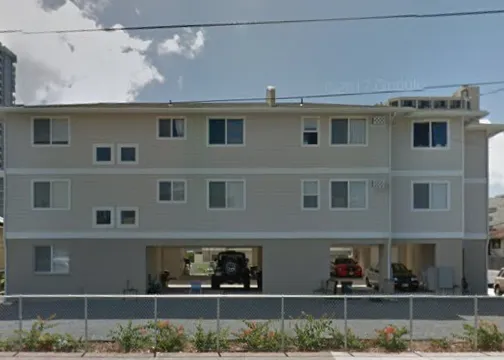
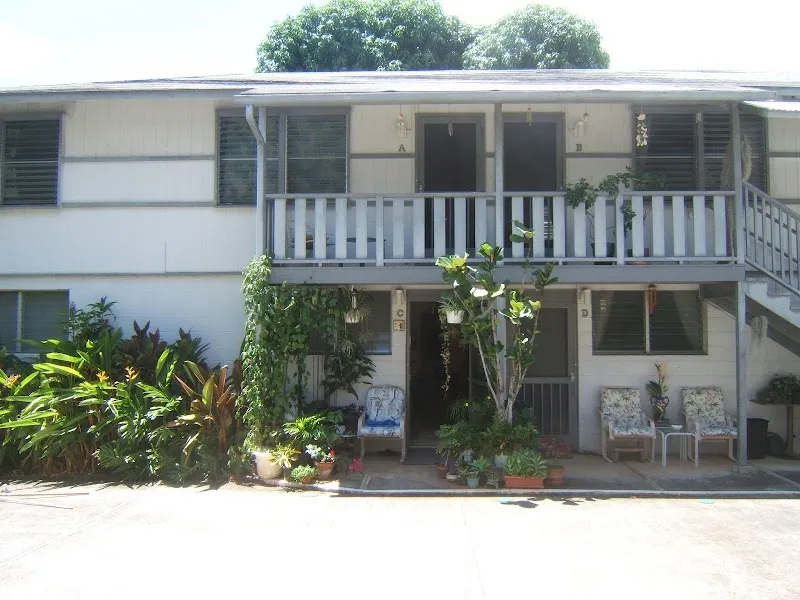
Sober living homes, also known as transitional housing or recovery residences, provide a safe and substance-free living environment for individuals in early recovery. These homes offer a structured setting with clear rules and expectations, designed to promote accountability and support residents in maintaining their sobriety. Sober living is not a substitute for detox or primary addiction treatment, but rather a step-down option that helps individuals transition from the intensive support of rehab to the responsibilities of everyday life.
Benefits of Men's Sober Living
- Structured Environment: Sober living homes establish a consistent routine, including curfews, house meetings, and mandatory drug testing. This structure can be particularly beneficial for men who are newly sober and need help establishing healthy habits.
- Peer Support: Living alongside other men in recovery provides a strong sense of community and shared experience. Residents can offer each other encouragement, support, and accountability, reducing feelings of isolation and loneliness.
- Accountability: Sober living homes enforce strict rules regarding substance use, attendance at meetings (AA, NA, etc.), and participation in house activities. This accountability helps residents stay on track with their recovery goals.
- Life Skills Development: Many sober living homes offer opportunities for residents to develop essential life skills, such as budgeting, job searching, and conflict resolution. These skills are crucial for long-term success in recovery.
- Relapse Prevention: The supportive environment and structured routine of sober living help reduce the risk of relapse. Residents have access to immediate support if they are struggling and are held accountable for their actions.
What to Expect in a Men's Sober Living Home in Hawaii
While each sober living home is unique, there are some common features and expectations you can anticipate in Hawaii:
- Substance-Free Environment: Zero tolerance for alcohol and drug use. Regular drug and alcohol testing is standard.
- House Rules: Clearly defined rules regarding curfews, visitors, chores, and participation in house meetings and recovery activities.
- Community Involvement: Encouragement to attend 12-step meetings (AA, NA, etc.) in the local community, such as those in Honolulu or on Maui.
- Individual Counseling: Some sober living homes may require or encourage residents to participate in individual therapy or counseling. Many excellent therapists are located in Honolulu and other parts of the islands.
- Random Drug Testing: Frequent and random drug testing to ensure compliance with the substance-free policy.
- Resident Responsibilities: Residents are typically responsible for their own meals, laundry, and personal expenses. They are also expected to contribute to the upkeep of the house through chores and shared responsibilities.
- Length of Stay: The length of stay in a sober living home varies depending on individual needs and progress, but typically ranges from 3 to 12 months.
Finding the Right Men's Sober Living Home in Hawaii
Choosing the right sober living home is a crucial step in the recovery process. Consider the following factors when making your decision:
- Location: Consider the location of the home in relation to your work, school, or support network. Are you looking for a home in Honolulu, near the beaches of Oahu, or perhaps a quieter setting on Maui or Kauai?
- Cost: Sober living homes vary in price. Inquire about the monthly rent, any additional fees, and what is included in the cost (utilities, internet, etc.).
- Rules and Regulations: Ensure that the rules and regulations of the home align with your recovery goals and personal values.
- Amenities: Consider the amenities offered by the home, such as Wi-Fi, laundry facilities, recreational activities, and transportation.
- Staff Support: Inquire about the level of staff support available, including house managers, counselors, and case managers.
- Accreditation: Check if the sober living home is accredited by a reputable organization, such as the National Alliance for Recovery Residences (NARR). While NARR accreditation may not be as prevalent in Hawaii as in other states, it's still a good indicator of quality and standards.
- Visitation Policy: Understand the rules regarding visitors, especially in the early stages of your stay.
- Aftercare Planning: Does the sober living facility assist with planning for your transition to independent living after completing the program?
Resources for Finding Men's Sober Living in Hawaii
- Hawaii Department of Health: The Hawaii Department of Health may have resources or referrals to licensed or certified recovery residences.
- Local Treatment Centers: Addiction treatment centers in Honolulu and other locations often have relationships with reputable sober living homes and can provide referrals.
- Online Directories: Websites like SoberLiving.com or Recovery.org may list sober living homes in Hawaii, although it's important to verify the information and conduct your own research.
- 12-Step Meetings: Attending AA or NA meetings in your area can be a great way to connect with other men in recovery and learn about sober living options.
- Word of Mouth: Talk to your therapist, counselor, or other members of your support network for recommendations.
Making the Transition to Sober Living
Moving into a sober living home can be a significant transition. Here are some tips to help you adjust:
- Communicate openly: Talk to the house manager and other residents about your needs and concerns.
- Follow the rules: Adhering to the house rules is essential for maintaining a safe and supportive environment for everyone.
- Get involved: Participate in house meetings, activities, and community events.
- Build relationships: Connect with other residents and build a strong support network.
- Stay connected to your recovery program: Continue attending 12-step meetings, therapy sessions, and other recovery activities.
- Be patient: It takes time to adjust to a new environment and routine. Be patient with yourself and allow time for the process.
Sustaining Recovery After Sober Living
Sober living provides a strong foundation for long-term recovery, but it's important to continue building on that foundation after you move out. Develop a comprehensive aftercare plan that includes ongoing therapy, attendance at 12-step meetings, and a strong support network. Consider finding a sponsor, volunteering in the community, or pursuing hobbies and interests that bring you joy and fulfillment. Remember that recovery is a journey, not a destination, and that ongoing support and commitment are essential for sustained sobriety in Hawaii and beyond.
More Recovery Resources in Hawaii
Sober Network is a directory, not an intake form. Explore local facilities and contact providers directly.