
Finding the right addiction treatment can feel overwhelming, especially for women. Gender-specific programs in Hawaii offer a safe and supportive environment tailored to the unique needs and experiences of women on their journey to recovery. This guide explores the benefits of women-focused treatment and highlights local resources available in Hawaii.
Why Gender-Specific Treatment Matters for Women
Women often face different challenges related to addiction than men. Societal pressures, relationship dynamics, and biological factors can all contribute to substance use and its impact. Gender-specific treatment acknowledges these differences and provides a space where women can feel more comfortable sharing their experiences and building connections with others who understand.
- Increased Safety and Trust: Women-only environments can foster a greater sense of safety and trust, particularly for those who have experienced trauma.
- Targeted Therapy: Therapy sessions can focus on issues specific to women, such as body image, relationship challenges, and motherhood.
- Reduced Stigma: Women may feel less judged and more supported in a women-only setting, reducing the stigma associated with addiction.
- Stronger Bonds: Women can build strong bonds with other women in recovery, creating a supportive network that extends beyond treatment.
创伤知情护理
Trauma is a significant factor in many women's addiction stories. Trauma-informed care recognizes the impact of trauma on a woman's life and incorporates this understanding into every aspect of treatment. This approach prioritizes safety, empowerment, and healing.
Key Elements of Trauma-Informed Care:
- 安全: Creating a safe and secure environment where women feel comfortable sharing their experiences.
- 可信度和透明度: Building trust through open communication and honest interactions.
- 同伴支持: Connecting women with others who have similar experiences.
- 合作与互惠: Working together to create a treatment plan that meets each woman's individual needs.
- 赋权、发言权和选择权: Giving women a voice in their treatment and empowering them to make informed decisions.
- 文化、历史和性别问题: Addressing the impact of cultural, historical, and gender factors on addiction and recovery.
孕妇和产妇项目
Addiction during pregnancy can have serious consequences for both the mother and the baby. Specialized programs for pregnant women and mothers offer comprehensive care to address both addiction and parenting needs. These programs often include:
- Prenatal Care: Providing access to quality prenatal care to ensure a healthy pregnancy.
- 药物滥用治疗: Offering evidence-based treatment for addiction, including medication-assisted treatment (MAT) when appropriate.
- Parenting Skills Training: Teaching mothers effective parenting skills to create a nurturing environment for their children.
- 儿童保育支持: Providing childcare services to allow mothers to attend treatment and support groups.
- 家庭治疗: Addressing family dynamics and promoting healthy relationships.
解决并发问题
Women struggling with addiction often experience co-occurring issues such as domestic violence, eating disorders, and PTSD. Integrated treatment programs address these issues simultaneously, providing comprehensive care that supports overall well-being.
Domestic Violence
Many women with substance use disorders have experienced domestic violence. Treatment programs that address domestic violence can help women:
- Recognize the signs of abuse.
- Develop safety plans.
- Heal from trauma.
- Build healthy relationships.
Eating Disorders
Eating disorders and addiction often co-occur, particularly among women. Treatment programs that address both issues can help women:
- Develop healthy eating habits.
- Improve body image.
- Address underlying emotional issues.
PTSD
Post-traumatic stress disorder (PTSD) can significantly impact addiction recovery. Trauma-informed treatment can help women:
- Process traumatic experiences.
- Develop coping mechanisms.
- Reduce PTSD symptoms.
儿童康复
Addiction can have a profound impact on children. Some treatment programs offer services for children of mothers in recovery, such as:
- 治疗: Providing individual or group therapy to address the impact of addiction on children.
- 互助小组: Connecting children with others who have similar experiences.
- Educational Programs: Teaching children about addiction and recovery in an age-appropriate manner.
- Family Activities: Promoting healthy family interactions and bonding.
女性戒酒康复中心
Sober living homes provide a supportive environment for women transitioning from treatment to independent living. These homes offer:
- A safe and sober environment.
- Peer support.
- Accountability.
- Access to resources.
互助小组
Support groups, such as Alcoholics Anonymous (AA) and Narcotics Anonymous (NA), can provide ongoing support and connection throughout the recovery journey. Women-only meetings can create a safe and supportive space for women to share their experiences and build relationships.
Local Hawaii Resources
Here are some local resources in Hawaii that offer addiction treatment and support services for women:
- Hina Mauka: Offers a range of addiction treatment services, including programs specifically for women.
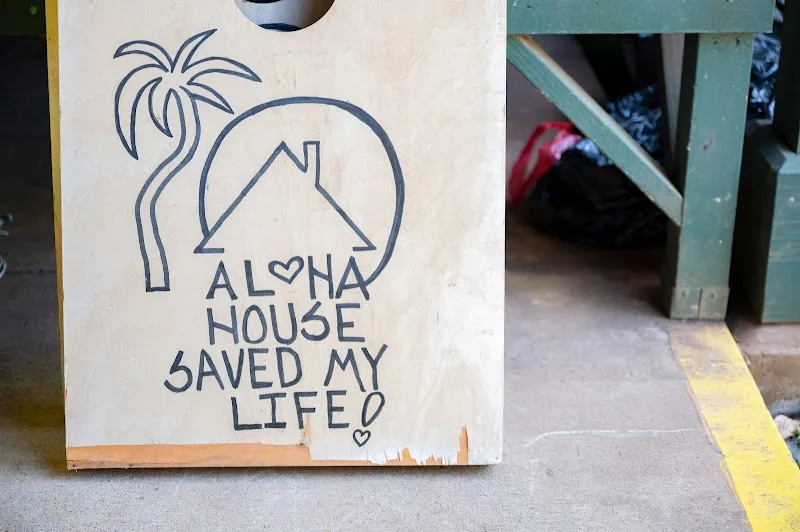
- Aloha House: Provides comprehensive addiction treatment and mental health services on Maui.
- The Salvation Army Family Treatment Services: Offers residential treatment for women with children.
- Partners in Care: Connects individuals with a variety of health and social services on Oahu.
Seeking help is a sign of strength, and there are many resources available to support women on their journey to recovery in Hawaii. By choosing a program that addresses your specific needs and provides a safe and supportive environment, you can empower yourself to create a healthier and more fulfilling life.
夏威夷更多康复资源
Sober Network is a directory, not an intake form. Explore local facilities and contact providers directly.