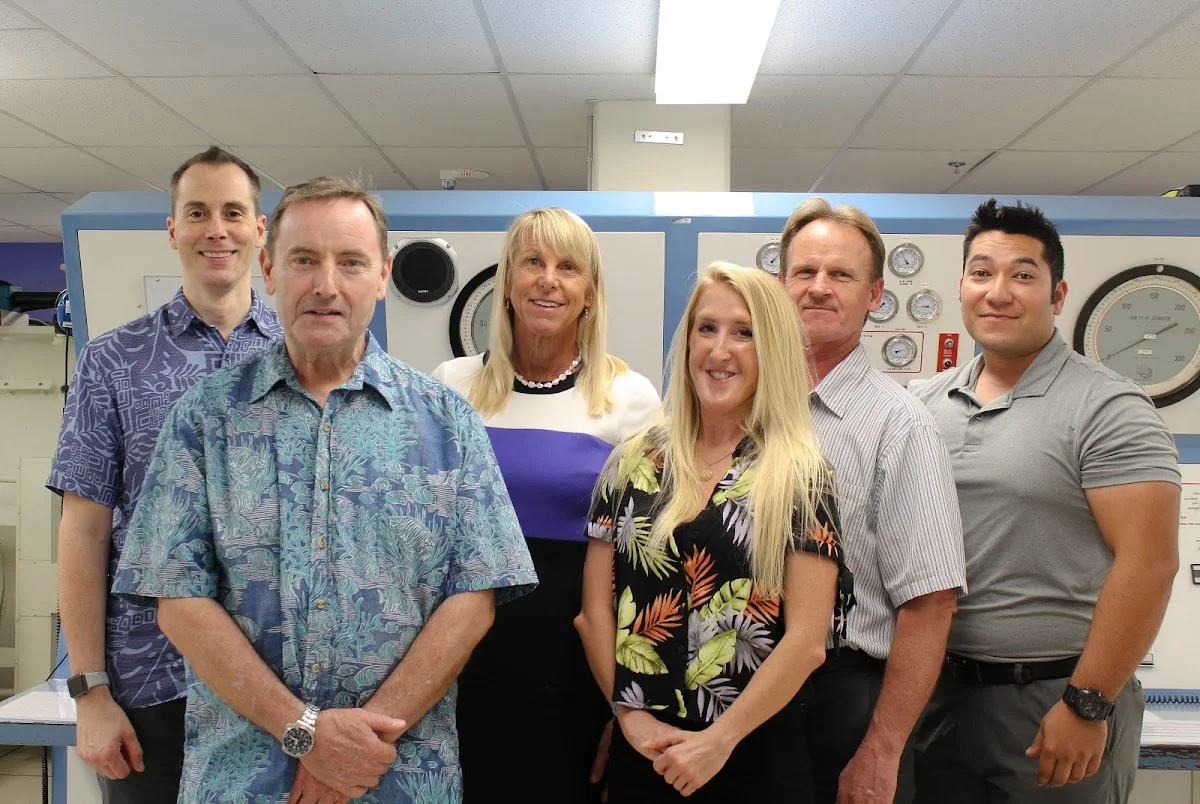

Dual diagnosis, also known as co-occurring disorders, refers to the simultaneous presence of a mental health disorder and a substance use disorder in an individual. This condition complicates the treatment process and requires a more comprehensive approach to ensure effective recovery. In Hawaii, many individuals are seeking help for dual diagnosis, and understanding available treatment options can pave the way for healing and healthier living.
Understanding Dual Diagnosis
Dual diagnosis is a complex issue where an individual suffers from both a mental health condition and a substance use disorder. This could mean that someone is struggling with depression and also misusing alcohol, or perhaps experiencing anxiety while using drugs as a coping mechanism. The interaction between these disorders can exacerbate symptoms, making it crucial to address both simultaneously.
Common Co-occurring Conditions
Several mental health disorders frequently co-occur with substance use disorders. Here are some of the most common:
- 沮丧: Individuals may turn to substances as a way to escape their feelings of sadness or hopelessness.
- 焦虑: Substance use can sometimes provide temporary relief from anxiety symptoms, but it often leads to increased anxiety over time.
- PTSD: Many people with PTSD may use substances to self-medicate their trauma-related symptoms.
- 躁郁症: Individuals may experience extreme mood swings, leading them to use drugs or alcohol to manage their highs and lows.
为什么综合治疗至关重要
Integrated treatment is essential for individuals with dual diagnosis because it addresses both the mental health disorder and the substance use disorder simultaneously. Traditional treatment approaches may focus on one issue while neglecting the other, leading to poor outcomes. Here are some reasons why integrated treatment is vital:
- 整体方法: Treating both conditions concurrently allows for a more comprehensive understanding of how they interact.
- Improved Recovery Rates: Individuals who receive integrated treatment are more likely to achieve lasting recovery.
- Reduced Risk of Relapse: Addressing both disorders helps to stabilize the individual, reducing triggers for substance use.
- 个性化护理: Integrated programs can tailor treatment plans to meet the unique needs of each individual.
Finding Dual Diagnosis Programs in Hawaii
Hawaii offers various treatment options for individuals seeking help for dual diagnosis. Here are some steps to find the right program:
- Research Treatment Centers: Look for facilities that specialize in dual diagnosis. Many centers provide integrated treatment programs designed specifically for co-occurring disorders.
- 咨询医疗保健提供者: Speak with your primary care physician or mental health professional for recommendations on reputable treatment centers in Hawaii.
- 利用网络资源: Websites like SAMHSA (Substance Abuse and Mental Health Services Administration) provide a directory of treatment facilities.
- Reach Out to Local Support Groups: Organizations like NAMI (National Alliance on Mental Illness) can connect you with resources in your community.
如何获得帮助
If you or a loved one is struggling with dual diagnosis, it's important to take the first step toward recovery. Here’s how you can get help:
- 评估您的需求: Evaluate your situation and determine if you need immediate help or if you can start with outpatient services.
- Contact Treatment Centers: Reach out to the programs you’re interested in and ask about their dual diagnosis treatment options, costs, and admissions process.
- 寻求支持: Involve family members or friends in your recovery journey. Support from loved ones can be crucial.
- 保持承诺: Recovery is a journey. Stay committed to your treatment plan and be open to adjusting it as needed.
In conclusion, dual diagnosis is a challenging yet treatable condition. Hawaii offers various resources and programs designed to help individuals navigate their recovery journey. By seeking integrated treatment and utilizing available support, individuals can work towards a healthier, substance-free life.
夏威夷更多康复资源
Sober Network is a directory, not an intake form. Explore local facilities and contact providers directly.