
Detoxification is often the first significant step in the journey toward recovery from addiction. In Hawaii, individuals seeking to overcome substance use challenges can access medical detox programs that offer safe and supportive environments. This guide aims to provide insights into what to expect during medical detox, the differences between medical and home detox, and essential information to help you or a loved one navigate this critical phase of recovery.
의료 해독과 가정 해독의 차이점
Understanding the distinction between medical detox and home detox is crucial for making informed decisions about recovery. Here are some key differences:
- 의료 해독: Conducted in a professional setting, often with 24/7 medical supervision. It is designed for individuals with severe substance dependence or those at risk of withdrawal complications.
- 홈 디톡스: Involves detoxing at home without medical supervision. This method can be risky, especially for individuals with a long history of substance use or co-occurring health issues.
출금 일정
The timeline for withdrawal symptoms can vary based on the substance used, the duration of use, and individual health factors. Below is a general outline for common substances:
술
- 6~12시간: Mild symptoms like anxiety, insomnia, and tremors.
- 24~48시간: Increased severity of symptoms; risk of seizures.
- 48-72 hours: Delirium tremens (DTs) may occur, characterized by confusion, hallucinations, and severe agitation.
오피오이드
- 6~12시간: Initial symptoms such as anxiety and muscle aches.
- 1~3일: 메스꺼움, 구토, 설사 등 증상이 최고조에 달합니다.
- 5~7일: Symptoms begin to subside but can include lingering psychological cravings.
벤조디아제핀
- 1~4일: Initial symptoms may include anxiety and insomnia.
- 5-14 days: Increased risk of seizures and heightened anxiety.
- 2-4 weeks: Psychological symptoms may persist, including anxiety and depression.
해독 과정에서 사용되는 약물
During medical detox, healthcare professionals may prescribe medications to alleviate withdrawal symptoms and ensure safety. Common medications include:
- 술: Benzodiazepines (e.g., diazepam, lorazepam) to manage withdrawal symptoms.
- 오피오이드: Methadone, buprenorphine, or naltrexone to ease cravings and withdrawal symptoms.
- 벤조디아제핀: Tapering doses of benzodiazepines may be used to reduce withdrawal severity.
해독 프로그램에서의 전형적인 하루
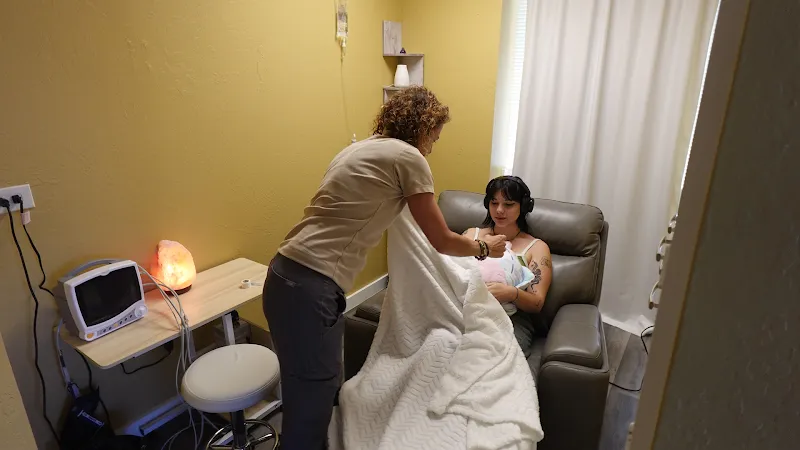
A day in a medical detox facility generally follows a structured routine designed to promote healing and safety. Here’s what to expect:
- 아침: Vital signs are monitored, and a nutritious breakfast is provided. Group therapy sessions may occur to foster support among peers.
- 오후: Access to individual therapy or counseling sessions, along with medication administration to manage withdrawal symptoms.
- 저녁: Relaxation activities such as yoga or meditation, followed by a nutritious dinner. Reflection time or journaling may be encouraged.
디톡스를 위한 준비
Preparation can significantly affect the detox experience. Here are some tips for you or your loved one:
- Consult with Healthcare Providers: Speak to medical professionals to discuss the detox process and any concerns you might have.
- Gather Necessary Items: Bring comfortable clothing, toiletries, and any prescribed medications.
- 의사소통하다: Discuss expectations and fears with family members or friends to establish a support system.
해독 치료가 의학적으로 필요한 경우와 선택적인 경우
Medical detox is essential for individuals with severe dependence on substances, especially those at risk of life-threatening withdrawal symptoms. Conversely, detox may be optional for those with milder dependencies, although medical supervision is still strongly recommended to ensure safety.
해독 후에는 무슨 일이 일어날까요?
Once detox is complete, transitioning to ongoing treatment is crucial for sustained recovery. Options include:
- 입원 재활 치료: A structured program where individuals live on-site while receiving therapy.
- 외래 환자 프로그램: Flexible treatment options that allow individuals to maintain their daily routines while attending therapy sessions.
- 지원 그룹: Participation in groups like Alcoholics Anonymous (AA) or Narcotics Anonymous (NA) to foster community and accountability.
Finding Accredited Detox Centers in Hawaii
Choosing an accredited detox center is vital for safety and quality care. Here are steps to find reputable facilities in Hawaii:
- 연구: Look for facilities accredited by organizations such as the Joint Commission or the National Association of Addiction Treatment Providers.
- 리뷰 읽기: 온라인 후기와 이전 환자들의 사용 후기를 확인해 보세요.
- Consult Healthcare Professionals: Seek recommendations from trusted healthcare providers or counselors.
In summary, medical detox in Hawaii provides a safe and supportive environment for individuals seeking recovery from substance use disorders. By understanding the detox process, withdrawal timelines, and available resources, you or your loved one can embark on a path toward healing with greater confidence and clarity.
하와이의 더 많은 회복 지원 자료
Sober Network is a directory, not an intake form. Explore local facilities and contact providers directly.