
Outpatient vs. Inpatient Addiction Treatment in Hawaii: A Guide
Choosing the right addiction treatment program is a critical first step toward recovery. In Hawaii, individuals struggling with substance use have access to both outpatient and inpatient (residential) treatment options. Understanding the differences between these approaches is essential for making an informed decision that aligns with your specific needs and circumstances. This guide will explore the nuances of each treatment type, highlighting the benefits and drawbacks, and providing practical information relevant to residents of Hawaii.
Understanding Inpatient (Residential) Treatment
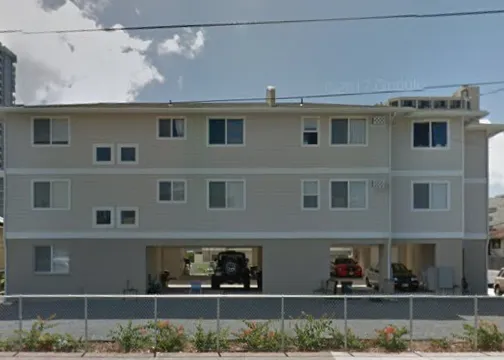
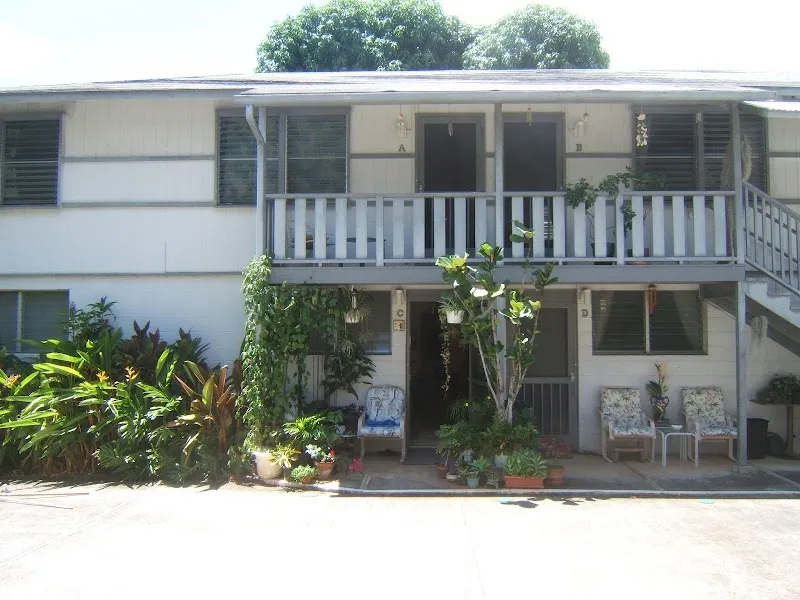
Inpatient treatment, also known as residential treatment, provides a structured and immersive recovery environment. Clients reside at the treatment facility for a set period, typically ranging from 30 to 90 days, although longer-term programs are available. This intensive approach removes individuals from triggers and temptations in their daily lives, allowing them to focus solely on recovery.
Benefits of Inpatient Treatment:
- Structured Environment: A highly structured daily schedule provides stability and minimizes distractions, fostering a focused recovery process.
- 24/7 Support: Round-the-clock medical and clinical support is available, ensuring immediate assistance during challenging moments, especially during withdrawal.
- Medical Detoxification: Medically supervised detoxification is often a crucial first step in inpatient treatment, particularly for individuals with severe addictions. This process manages withdrawal symptoms safely and comfortably. Many facilities in Honolulu offer specialized detox programs.
- Intensive Therapy: Inpatient programs offer a variety of therapeutic modalities, including individual therapy, group therapy, family therapy, and specialized therapies like cognitive behavioral therapy (CBT) and dialectical behavior therapy (DBT).
- Peer Support: Living alongside others in recovery fosters a strong sense of community and shared experience, reducing feelings of isolation and providing valuable peer support.
- Focus on Underlying Issues: Inpatient treatment allows for deeper exploration of the underlying issues that contribute to addiction, such as trauma, mental health disorders, or relationship problems.
- Distance from Triggers: Removing individuals from their usual environment minimizes exposure to triggers and negative influences, increasing the chances of sustained recovery.
Considerations for Inpatient Treatment:
- Cost: Inpatient treatment is generally more expensive than outpatient treatment due to the cost of housing, meals, and 24/7 care. Insurance coverage can vary, so it's important to verify benefits with your provider and the treatment facility. Financial assistance options may be available.
- Time Commitment: The intensive nature of inpatient treatment requires a significant time commitment, which may necessitate taking time off from work, school, or family responsibilities.
- Intensity: The immersive and demanding nature of inpatient treatment can be challenging for some individuals.
- Location: While Hawaii offers inpatient options on various islands, you might consider the proximity to family and support networks when making your decision. Some individuals may prefer treatment on a different island to further distance themselves from triggers.
Understanding Outpatient Treatment
Outpatient treatment allows individuals to live at home while attending therapy sessions and other recovery-related activities at a treatment center. This flexible approach is suitable for individuals with less severe addictions, strong support systems, and the ability to maintain sobriety in their daily lives.
Benefits of Outpatient Treatment:
- Flexibility: Outpatient programs offer greater flexibility, allowing individuals to continue working, attending school, and fulfilling family obligations while receiving treatment. Many programs offer evening and weekend sessions to accommodate busy schedules.
- Cost-Effective: Outpatient treatment is generally less expensive than inpatient treatment.
- Real-World Application: Individuals can immediately apply the skills and strategies learned in therapy to real-world situations, with the support of their therapist and support group.
- Continued Support System: Outpatient treatment allows individuals to maintain connections with their existing support system, including family, friends, and community resources.
- Step-Down Approach: Outpatient treatment can serve as a step-down approach after completing inpatient treatment, providing ongoing support and relapse prevention strategies. Many programs in areas like Waikiki offer specialized aftercare programs.
Considerations for Outpatient Treatment:
- Less Structure: The less structured nature of outpatient treatment requires a high level of self-discipline and motivation.
- Exposure to Triggers: Individuals in outpatient treatment are exposed to triggers and temptations in their daily lives, which can increase the risk of relapse.
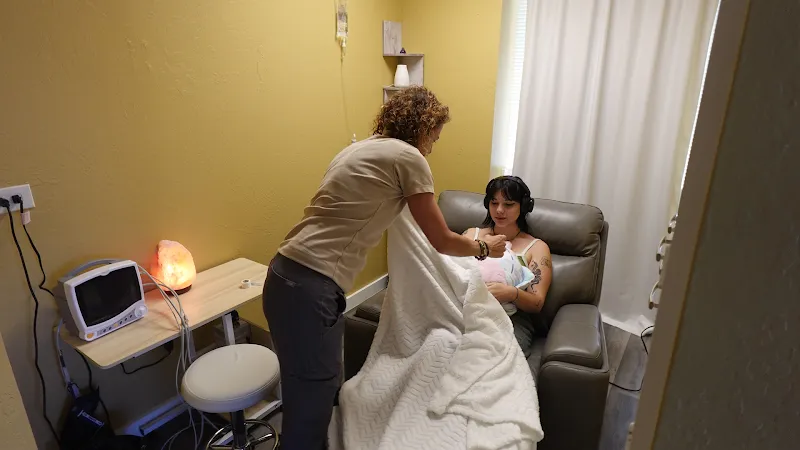
- Limited Medical Supervision: Outpatient treatment typically offers less medical supervision than inpatient treatment, which may not be suitable for individuals with severe addictions or complex medical needs.
- Relapse Potential: Due to less intensive care, the risk of relapse can be higher without a strong support system and commitment to sobriety.
Choosing the Right Treatment Option in Hawaii
The best treatment option for you will depend on your individual circumstances, including the severity of your addiction, your medical and mental health history, your support system, your financial resources, and your personal preferences. Consider these factors when making your decision:
- Severity of Addiction: Individuals with severe addictions, co-occurring mental health disorders, or a history of relapse may benefit from the intensive support and structure of inpatient treatment.
- Support System: Individuals with strong support systems and a stable living environment may be successful in outpatient treatment.
- Financial Resources: Consider the cost of each treatment option and your insurance coverage. Explore financial assistance options if needed.
- Personal Preferences: Consider your personal preferences and learning style. Some individuals thrive in a structured environment, while others prefer a more flexible approach.
Resources in Hawaii
Hawaii offers a variety of addiction treatment resources to support individuals in their recovery journey. Here are some helpful resources:
- Hawaii Department of Health, Alcohol and Drug Abuse Division (ADAD): Provides information on substance abuse prevention, treatment, and recovery services in Hawaii.
- Aloha United Way 2-1-1: A free, confidential information and referral service that connects individuals with health and human services resources in Hawaii.
- Narcotics Anonymous (NA) and Alcoholics Anonymous (AA): Support groups that provide a safe and supportive environment for individuals in recovery. Meetings are held throughout the islands.
- Mental Health America of Hawaii: Offers resources and support for individuals with mental health disorders, which often co-occur with addiction.
Seeking professional guidance from a qualified addiction specialist or healthcare provider is crucial in determining the most appropriate treatment plan for your needs. They can assess your individual situation and recommend the best course of action. Don't hesitate to reach out for help – recovery is possible.
More Recovery Resources in Hawaii
Sober Network is a directory, not an intake form. Explore local facilities and contact providers directly.