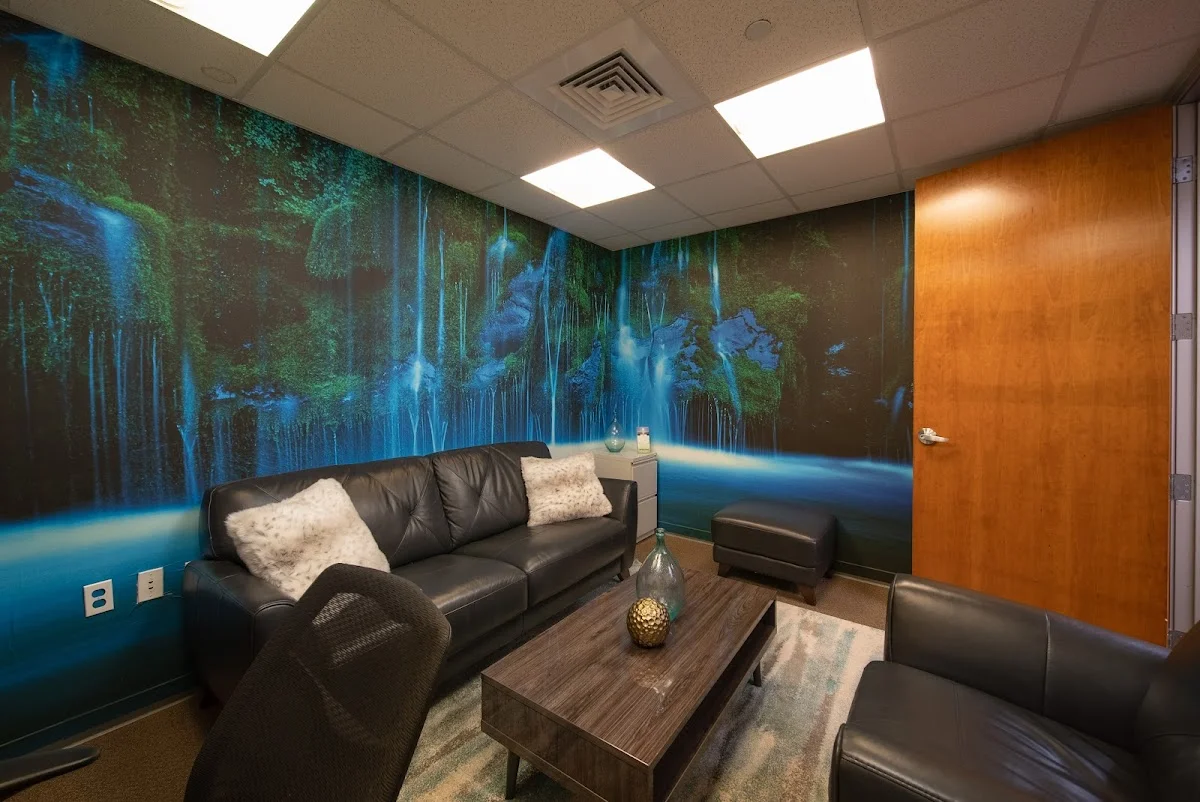

Choosing the right sober living home is a crucial step in your recovery journey. In Hawaii, the beautiful surroundings can provide a serene backdrop for healing, but selecting the right environment is essential. This guide offers insights into what makes a quality sober living home, red flags to be aware of, and practical tips to ensure you find the right fit for your recovery.
What Makes a Quality Sober Living Home?
A quality sober living home is designed to support individuals in their recovery journey while promoting a sense of community and accountability. Here are some key features to consider:
- Structured Environment: A good sober living home should have rules and routines that encourage healthy habits.
- Supportive Community: Residents should feel comfortable sharing their experiences and supporting one another.
- Qualified Staff: Look for homes with staff who have experience in addiction recovery and can provide guidance.
- Access to Resources: Quality homes often provide access to counseling, support groups, and job placement services.
- Safety and Cleanliness: The living environment should be clean, safe, and conducive to recovery.
Red Flags to Avoid
While searching for a sober living home, it’s important to be aware of potential red flags that may indicate a less-than-ideal environment:
- Lack of Structure: Homes with no rules or accountability may not support your recovery.
- Inexperienced Staff: Avoid homes where the staff lacks training in addiction recovery.
- Poor Living Conditions: Unsanitary or unsafe living arrangements should be a significant concern.
- High Turnover Rate: Frequent changes in residents can disrupt the sense of community.
- Excessive Fees: Be cautious of homes that require exorbitant fees with little in return.
Questions to Ask During Tours
As you tour potential sober living homes, consider asking the following questions to gain a better understanding of the environment:
- What is the home’s policy on drugs and alcohol? Ensure that strict rules are in place and enforced.
- What support services do you offer? Inquire about therapy, group meetings, and job assistance.
- What are the house rules? Understanding expectations is key to your success.
- How do you handle conflicts among residents? A healthy conflict resolution policy is essential.
- What is the typical length of stay for residents? This helps you gauge the commitment level expected.
House Rules and Expectations
Most sober living homes have a set of rules designed to foster a supportive and safe environment. Common expectations may include:
- Regular attendance at house meetings or support groups.
- Maintaining sobriety, with random drug and alcohol screenings.
- Contributing to household chores and responsibilities.
- Following a curfew and notifying staff of any absences.
- Respecting the privacy and personal space of other residents.
Cost and Financial Assistance
The cost of sober living homes in Hawaii can vary significantly based on location and amenities. Here are some financial considerations:
- Monthly Fees: Average costs can range from $500 to $2,000 per month.
- Insurance Coverage: Check if your health insurance covers sober living expenses.
- Sliding Scale Fees: Some homes may offer a sliding scale based on income.
- Financial Assistance Programs: Research local charities or organizations that provide funding for recovery housing.
The Difference Between Level 1 and Level 2 Sober Homes
In Hawaii, sober living homes may be classified into different levels based on the services offered:
- Level 1: Typically provides basic structure and support with minimal supervision. Ideal for individuals who have completed treatment and require a supportive environment.
- Level 2: Offers more intensive support, including counseling and structured programs. Suitable for those who may need additional guidance in their recovery.
How to Find Certified Sober Homes in Hawaii
Finding a certified sober living home can provide peace of mind. Here are some ways to locate reputable options:
- Online Directories: Websites like the National Alliance for Recovery Residences can help you find certified homes.
- Local Support Groups: Reach out to local AA or NA groups for recommendations.
- Consult Treatment Centers: Many rehab facilities have partnerships with sober living homes.
Success Tips for Sober Living
Once you’ve chosen a sober living home, here are some tips to enhance your success:
- Stay Engaged: Attend meetings and participate in house activities.
- Build Relationships: Connect with other residents for support and friendship.
- Set Goals: Establish short-term and long-term goals for your recovery.
- Seek Help When Needed: Don’t hesitate to ask for support from staff or peers.
- Focus on Self-Care: Prioritize physical and mental health through exercise, nutrition, and mindfulness.
Choosing the right sober living home in Hawaii is an essential step toward lasting recovery. By being informed and asking the right questions, you can find a supportive environment that encourages your growth and healing.
More Recovery Resources in Hawaii
Sober Network is a directory, not an intake form. Explore local facilities and contact providers directly.