There's a reason people travel thousands of miles to get sober in Hawaii. Beyond the beaches and perfect weather lies something deeper - a culture that naturally supports healing through connection and community.
The Meaning of Ohana
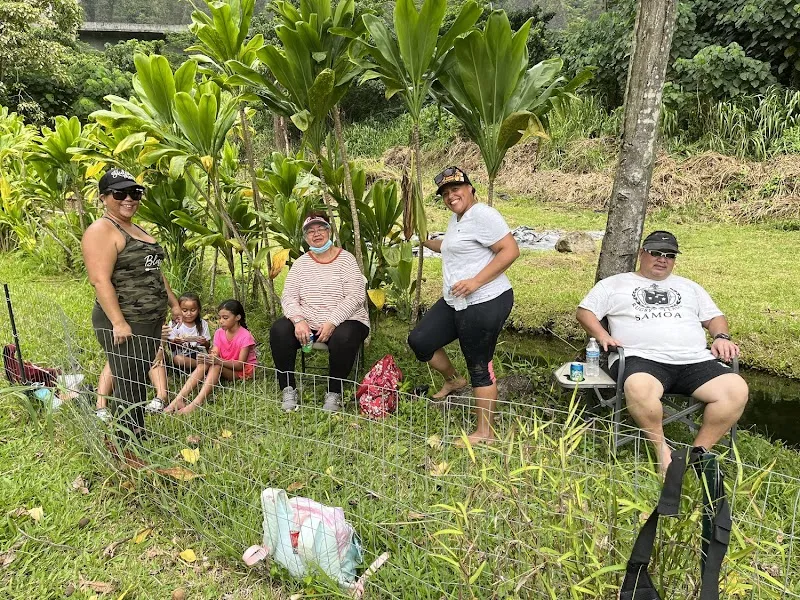
"Ohana" means family in Hawaiian, but it's more than just a word. Recovery programs in Hawaii embrace this concept, creating tight-knit communities where residents support each other through the hardest moments. At facilities like The Ohana on the Big Island, this philosophy combines with evidence-based treatment and adventure therapy - hiking volcanoes, kayaking, even ziplining - to help people work through trauma in nature.
Island-Specific Recovery
Each Hawaiian island offers different recovery experiences:
Oahu: Most treatment centers and sober living options, Honolulu's active AA community, urban amenities with beach access.
Big Island: Quieter, more residential programs, lower costs, proximity to volcanoes and rainforests for adventure therapy.
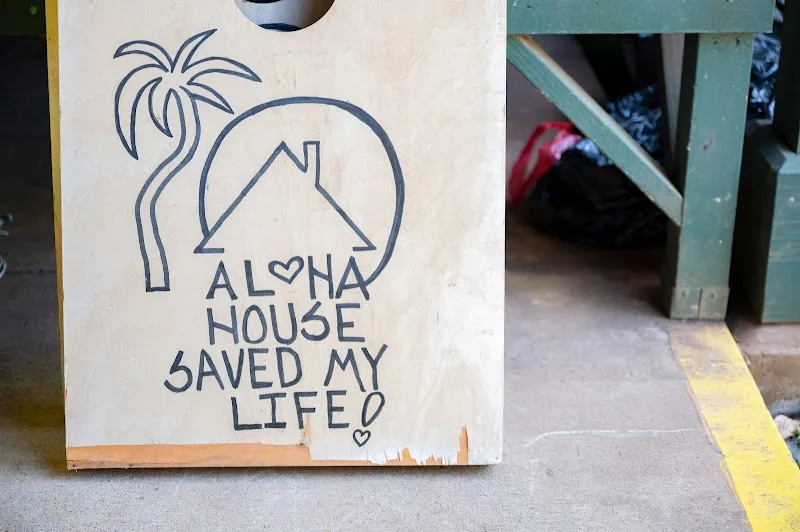
Maui: Aloha House provides treatment regardless of ability to pay, strong local recovery community, balance of accessibility and tranquility.
The Practical Side
Hawaii recovery isn't cheap - sober living runs $1,200-3,500 monthly. But many programs include meals and activities. The isolation that makes Hawaii healing can also be challenging - you're far from home, which is either exactly what you need or a recipe for feeling trapped.
Source: The Ohana Hawaii