Medical Detox in Hawaii: What to Expect and How to Choose
Embarking on the journey to recovery from addiction is a courageous step, and for those in Hawaii, understanding the process of medical detox is crucial. Medical detox, or medically managed withdrawal, is often the first and most vital stage in addiction treatment. It involves safely managing the physical withdrawal symptoms that occur when someone stops using substances. This guide will provide you with a clear understanding of what to expect during medical detox in Hawaii and how to choose the best program for your individual needs.
Understanding the Need for Medical Detox
When someone develops an addiction, their body becomes physically dependent on the substance. Abruptly stopping substance use can trigger a range of withdrawal symptoms, some of which can be dangerous or even life-threatening. These symptoms can vary widely depending on the substance, the length and severity of the addiction, and the individual's overall health. Common withdrawal symptoms include:
- Nausea and vomiting
- Sweating and chills
- Tremors and muscle aches
- Anxiety and agitation
- Insomnia
- Seizures
- Hallucinations
- Delirium tremens (DTs), a severe form of alcohol withdrawal
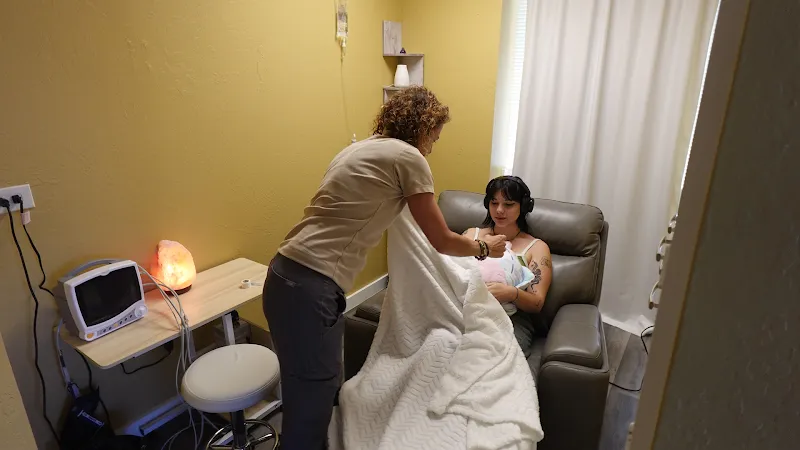
Medical detox provides a safe and supportive environment to manage these symptoms. Medical professionals monitor patients around the clock, providing medication to alleviate discomfort and prevent complications. This significantly increases the chances of a successful and comfortable detox.
What to Expect During Medical Detox in Hawaii
The medical detox process typically involves several key stages:
1. Assessment and Evaluation
Upon arrival at a detox facility in Honolulu, or another location on the islands, you'll undergo a thorough medical and psychological evaluation. This assessment helps the medical team understand the extent of your addiction, your medical history, and any co-occurring mental health conditions. They will use this information to create a personalized detox plan.
2. Stabilization
The stabilization phase focuses on managing your withdrawal symptoms. Medications may be administered to ease discomfort, reduce anxiety, and prevent complications. Common medications used in detox include:
- Benzodiazepines: To manage anxiety, seizures, and tremors associated with alcohol or sedative withdrawal.
- Opioid agonists (e.g., methadone, buprenorphine): To reduce opioid withdrawal symptoms.
- Alpha-adrenergic agonists (e.g., clonidine): To manage blood pressure, sweating, and anxiety.
- Anti-nausea medications: To alleviate nausea and vomiting.
Medical staff will closely monitor your vital signs, including heart rate, blood pressure, and temperature, to ensure your safety and comfort.
3. Preparation for Ongoing Treatment
Detox is only the first step in the recovery process. During detox in Hawaii, counselors and therapists will begin to prepare you for ongoing addiction treatment. This may involve individual therapy, group therapy, and educational sessions about addiction and recovery. The goal is to help you understand the underlying causes of your addiction and develop coping skills to prevent relapse. Many facilities in places like Maui or Kauai will coordinate directly with rehab centers to ensure a seamless transition.
Choosing the Right Medical Detox Program in Hawaii
Selecting the right medical detox program is essential for a safe and effective recovery. Consider the following factors when making your decision:
1. Accreditation and Licensing
Ensure that the detox facility is licensed and accredited by reputable organizations, such as the Joint Commission or the Commission on Accreditation of Rehabilitation Facilities (CARF). This indicates that the facility meets high standards of care and adheres to best practices. Look for facilities with a strong reputation in the Honolulu community.
2. Medical Staff and Expertise
Inquire about the qualifications and experience of the medical staff. The facility should have a team of doctors, nurses, and addiction specialists who are trained in managing withdrawal symptoms and providing comprehensive medical care. A good ratio of staff to patients is also important to ensure individualized attention.
3. Treatment Approaches
Different detox programs may offer different treatment approaches. Some facilities may focus solely on medical stabilization, while others may integrate therapy and counseling into the detox process. Choose a program that aligns with your individual needs and preferences. Consider if the program offers specialized tracks for specific substances or co-occurring disorders.
4. Amenities and Comfort
While comfort should not be the primary factor, it can contribute to a more positive detox experience. Look for facilities that offer comfortable accommodations, nutritious meals, and recreational activities. A serene environment, such as those found in many Big Island facilities, can promote relaxation and healing.
5. Aftercare Planning
A comprehensive detox program should include aftercare planning to ensure a smooth transition to ongoing addiction treatment. This may involve referrals to residential treatment centers, outpatient programs, support groups, or individual therapists. A solid aftercare plan is crucial for maintaining long-term sobriety.
6. Location and Accessibility
Consider the location of the detox facility and its accessibility. If you prefer to stay close to home, look for programs in your local area. However, if you need a more secluded environment, you may consider traveling to a different island. Ensure that the facility is easily accessible and has transportation options.
7. Cost and Insurance Coverage
Medical detox can be expensive, so it's essential to understand the costs involved and your insurance coverage. Contact your insurance provider to determine what portion of the detox program is covered. Many facilities offer payment plans or financing options to help make treatment more affordable. Be sure to ask about all costs upfront to avoid any surprises.
Finding Detox Resources in Hawaii
Here are some resources to help you find medical detox programs and addiction treatment services in Hawaii:
- Hawaii Department of Health, Alcohol and Drug Abuse Division: This state agency provides information on substance abuse treatment and prevention services in Hawaii.
- Substance Abuse and Mental Health Services Administration (SAMHSA): SAMHSA's website has a behavioral health treatment services locator that can help you find detox facilities and treatment programs nationwide, including in Hawaii.
- Your Primary Care Physician: Your doctor can provide referrals to reputable detox programs and addiction specialists in your area.
Choosing to undergo medical detox in Hawaii is a significant step towards a healthier and happier life. By understanding the process and carefully selecting the right program, you can increase your chances of a successful and lasting recovery.