Hawaii Detox Centers: Costs, Insurance & What's Covered
Understanding Detox and Its Importance in Hawaii
Detoxification, often called detox, is the crucial first step in addiction recovery. It involves clearing the body of drugs and alcohol while managing withdrawal symptoms. In Hawaii, where the spirit of 'Ohana (family) emphasizes well-being, seeking detox is a sign of strength and a commitment to a healthier future. The process can be physically and emotionally challenging, so it's best undertaken in a safe, supervised environment like a detox center in Honolulu or other locations across the islands.
Types of Detox Programs Available in Hawaii
Hawaii offers various detox programs to cater to different needs. The appropriate type depends on the substance used, the severity of the addiction, and individual health factors. Here are some common types:
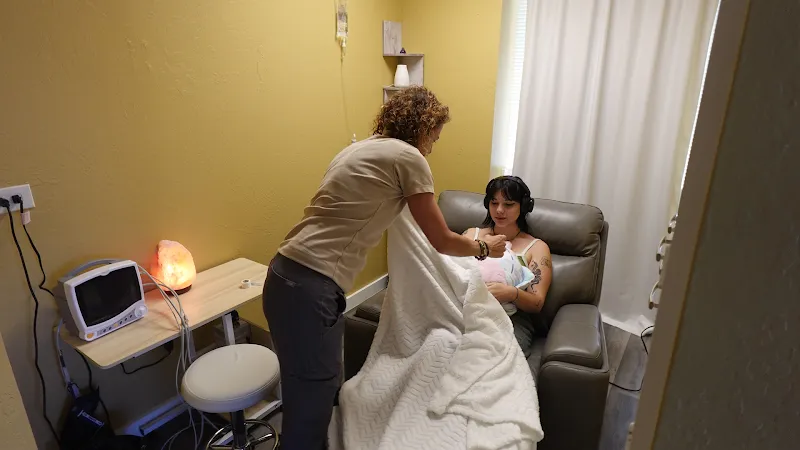
- Medical Detox: This is the gold standard for safety and comfort, especially for alcohol, benzodiazepines, and opioid addictions. Medical professionals in Honolulu and elsewhere administer medications to manage withdrawal symptoms, monitor vital signs, and provide immediate medical intervention if needed. This is often recommended for those with pre-existing health conditions or a history of severe withdrawal.
- Social Detox: This approach provides a supportive, non-medical environment. It relies on peer support, counseling, and a structured schedule to help individuals through withdrawal. While less intensive than medical detox, it can be suitable for those with mild to moderate withdrawal symptoms and a strong support system. You might find social detox options more common in smaller communities outside of Honolulu.
- Rapid Detox: This controversial method claims to accelerate the detoxification process using anesthesia. However, its safety and effectiveness are debated, and it's generally not recommended by leading addiction specialists due to potential risks.
Factors Influencing the Cost of Detox in Hawaii
The cost of detox in Hawaii varies considerably based on several factors:
- Type of Detox Program: Medical detox is generally more expensive than social detox due to the higher level of medical supervision and medication management.
- Length of Stay: Detox programs typically last from 3 to 10 days, depending on the substance and the individual's needs. Longer stays naturally increase the overall cost.
- Location: Facilities in popular tourist destinations like Waikiki or resort areas on Maui may have higher overhead costs, potentially impacting program fees. Centers in more rural areas or on less populated islands might offer more affordable options.
- Amenities and Services: Luxury detox centers offering amenities like private rooms, gourmet meals, massage therapy, and recreational activities will generally be more expensive. Basic, no-frills programs will typically be more budget-friendly.
- Insurance Coverage: The extent to which your health insurance covers detox significantly impacts your out-of-pocket expenses.
General Cost Estimates: While it's impossible to provide exact figures without knowing individual circumstances, you can expect medical detox in Hawaii to range from $1,500 to $10,000 or more, while social detox might cost between $500 and $3,000. These are just estimates, and it's essential to contact individual facilities for accurate pricing.
Navigating Insurance Coverage for Detox in Hawaii
Understanding your health insurance coverage is crucial for managing the financial aspects of detox. Here's what you need to know:
- Verify Your Coverage: Contact your insurance provider directly to inquire about your coverage for substance abuse treatment, specifically detoxification. Ask about:
- Deductibles: The amount you need to pay out-of-pocket before your insurance starts covering costs.
- Co-pays: The fixed amount you pay for each service, such as a doctor's visit or medication.
- Co-insurance: The percentage of the cost you share with your insurance company after you've met your deductible.
- Out-of-pocket maximum: The maximum amount you'll have to pay for covered services in a year.
- In-network vs. Out-of-network Providers: Using in-network providers will typically result in lower costs.
- Pre-authorization Requirements: Some insurance plans require pre-authorization before you can begin detox.
- Types of Insurance Accepted: Most detox centers in Hawaii accept a variety of insurance plans, including:
- Private Insurance: Plans offered through employers or purchased individually.
- Medicaid (QUEST Integration in Hawaii): Government-funded health insurance for low-income individuals and families.
- Medicare: Federal health insurance for seniors and individuals with disabilities.
- Tricare: Health insurance for active duty and retired military personnel and their families.
- What's Typically Covered: Insurance plans often cover the following aspects of detox:
- Medical Assessments and Evaluations
- Medication-Assisted Treatment (MAT)
- Room and Board
- Counseling and Therapy
- Aftercare Planning
Finding Affordable Detox Options in Hawaii
If you're concerned about the cost of detox, here are some strategies for finding affordable options in Hawaii:
- Consider Medicaid (QUEST Integration): If you meet the income requirements, Medicaid can provide comprehensive coverage for detox and other addiction treatment services.
- Explore State-Funded Programs: The Hawaii Department of Health may offer or support programs that provide subsidized or free detox services. Contact the Alcohol and Drug Abuse Division for information.
- Seek Non-Profit Organizations: Organizations like the Salvation Army and local community health centers may offer low-cost or sliding-scale detox programs.
- Inquire About Payment Plans: Some private detox centers offer payment plans to make treatment more accessible.
- Consider Outpatient Detox: In some cases, outpatient detox may be an option, which is generally less expensive than inpatient detox. However, it's only suitable for individuals with mild withdrawal symptoms and a strong support system.
Beyond Detox: The Importance of Continued Treatment
Detox is only the first step in the recovery journey. To achieve long-term sobriety, it's crucial to engage in ongoing treatment, such as therapy, counseling, support groups (like Alcoholics Anonymous or Narcotics Anonymous meetings in Honolulu and other communities), and aftercare planning. These services help individuals address the underlying causes of their addiction, develop coping mechanisms, and build a strong foundation for a sober life. Remember, seeking help in Hawaii is a sign of strength, and a supportive 'Ohana (community) is ready to assist you on your path to recovery.